About
Cumulus Green 2026: Learn to Design, Design to Learn invites all students from Cumulus member institutions to submit art and design projects that contribute to fulfilling the vision of the United Nations’ SDG 4: Quality Education. The focus is on exploring how art and design can foster inclusive, accessible, and innovative learning experiences, addressing challenges such as educational equity, access to knowledge, and lifelong learning.
The competition acknowledges the global education challenge, emphasizing the need for creative contributions from the art and design community to address issues related to quality, inclusive, and equitable education. It aims to align with the targets of the United Nations Sustainable Development Goals by 2030, focusing on fostering accessible learning opportunities for all.
The competition is administered by Cumulus Secretariat with oversight by the Cumulus Executive Board. The Cumulus Working Group on Education and Learning Innovation provides its valuable contribution to this competition.
Design for Learning is an evolving field that recognizes the profound role that design plays in shaping how we teach and learn. This discipline encompasses design processes aimed at fostering innovation in educational products, services, systems, and environments. From classrooms to digital platforms, it spans formal and informal contexts, addressing access, engagement, and lifelong learning. Design for Learning highlights the relationship between environments, tools, and human development, supporting thoughtful and innovative interventions to enhance meaningful learning experiences for individuals and communities.
Cumulus Green 2026 features a distinguished global jury from academia and practice, comprising experts in education, art and design, learning innovation, and educational systems. The competition is produced in a strategic partnership between Cumulus and The One Club for Creativity and leverages The One Club for Creativity’s award-winning submission and judging platform.

Learn to Design, Design to Learn invites all students from Cumulus member institutions to consider submissions for art, design, and media projects that may contribute to fulfilling the vision of the United Nations’ SDG 4: Quality Education and how we may transform our systems to create more inclusive, equitable, and accessible learning opportunities. The focus is on exploring how art and design can play a role in improving education worldwide, addressing challenges such as access to learning, educational equity, and lifelong learning.
The competition recognizes the global education challenge, emphasizing the need for creative contributions from the art and design community to ensure inclusive, equitable, and quality learning opportunities for all, and to meet the targets of the United Nations Sustainable Development Goals by 2030. We keep in mind that societal progress depends on meaningful access to education and the development of knowledge and skills for individuals and communities.
Items around Education and Learning
- Access to education: ensure that all children have access to free, equitable, and quality primary and secondary education leading to relevant learning outcomes.
- Early childhood development: ensure that all girls and boys have access to quality early childhood development, care, and pre-primary education.
- Affordable technical, vocational, and higher education: ensure equal access for all to affordable and quality technical, vocational, and tertiary education, including university.
- Skills for employment: substantially increase the number of youth and adults who have relevant skills, including technical and vocational skills, for employment, decent jobs, and entrepreneurship.
- Gender equality in education: eliminate gender disparities in education and ensure equal access to all levels of education and vocational training for vulnerable groups.
- Literacy and numeracy: ensure that all youth and a substantial proportion of adults achieve literacy and numeracy.
- Education for sustainable development: ensure that all learners acquire the knowledge and skills needed to promote sustainable development, including human rights, gender equality, global citizenship, and cultural diversity.
- Inclusive and safe learning environments: Build and upgrade education facilities that are child-, disability-, and gender-sensitive, and provide safe, non-violent, inclusive, and effective learning environments for all.
- Qualified teachers: substantially increase the supply of qualified teachers through international cooperation for teacher training and professional development.
- And more: Lifelong learning, Digital inclusion, Critical thinking, Creativity, Knowledge sharing, Equal opportunities, Community learning, Cultural exchange, Well-being in education, Accessibility, Innovation in teaching, Resilient education systems.
Challenges that may matter with SDG4
Dealing with educational challenges such as, and much more than those listed here:
- Access to education
- Educational inequality
- Early school leaving
- Digital divice
- Literacy and numeracy gaps
- Inclusive education for diverse learners
- Student and teacher well-being
- Motivation and engagement in learning
- Lifelong learning opportunities
- Skills for employment and entrepreneurship
- Migration and intercultural education
- Discrimination and equal opportunities in education
- Learning during crises and disruptions
- Remote and hybrid learning environments
- Educational technology and digital tools
- Information access and knowledge sharing
- Data literacy and critical thinking
- Rising costs of education
- Policy and regulatory changes in education
- Teacher shortages and professional development
- External social and economic disruptions impacting education

Cumulus Green 2026: An Invitation to Rethink How We Learn
Learning shapes our future. Design can help us imagine new ways to make it accessible, inclusive, and meaningful for everyone.
Dear Cumulusians,
We live in a world where the ways we learn, teach, and share knowledge are constantly evolving. New technologies, changing societies, and global challenges are transforming education, raising important questions about who has access to learning, how knowledge is shared, and what skills we need for the future. Education is not confined to classrooms, institutions, or specific stages of life. It happens through experiences, interactions, communities, and everyday activities. Recognizing this opens up new opportunities for art and design to challenge conventions, remove barriers, and create different ways of learning.
With Learn to Design, Design to Learn, Cumulus Green 2026 invites students to explore how creativity and design can contribute to rethinking education, challenging established approaches and opening up new possibilities for more inclusive, engaging, and meaningful learning experiences.
This year’s focus on SDG 4: Quality Education encourages us to look at education from different perspectives, considering not only what we learn, but also where, how, with whom, and for whom learning takes place.
We believe that students have a unique perspective on these questions. As learners and emerging creative professionals, you experience educational systems firsthand while developing the skills to question and reshape them. Cumulus Green 2026 is an opportunity to turn these perspectives into ideas, projects, and proposals that challenge existing approaches and explore new possibilities for education.
To help you explore the challenges and opportunities of quality education, we have selected a few resources offering insights and perspectives on inclusive learning, educational innovation, and the future of education. These references may serve as a starting point for developing your ideas and proposals.
UN Sustainable Development – Goal 4
UNESCO – Education
UNESCO – Futures of Education
UNICEF – Education
OECD – Education
We look forward to discovering how you envision the future of learning. Join us in designing new ways to learn.

Chairs Natacha Lallemand and Angela Giambattista,
Cumulus Executive Board and Secretariat
Why SDG4?
A Never-Ending Issue
Cumulus Green wants to encourage innovative solutions that relate to one or more of the following three categories.
Products, Systems and Services
Student proposals can address a wide range of educational challenges, and solutions may vary in scale.
Despite progress in many regions, significant inequalities in access to quality education persist, while new challenges continue to emerge. Millions of children and young people worldwide still lack access to basic education, and many others attend school without achieving essential learning outcomes. Barriers related to poverty, geography, disability, gender, or migration continue to limit educational opportunities. At the same time, rapid technological change, the digital divide, the need for new skills, and growing concerns around student and teacher well-being are adding new layers of complexity to education systems globally.
To give food for thought, the concept of quality education focuses on meeting the fundamental right to learn, providing inclusive, safe, and supportive environments in which everyone can develop their knowledge, skills, and potential. It aims to foster purpose, dignity, creativity, and critical thinking through participatory and equitable learning experiences.
In a world shaped by conflicts, climate change, and economic uncertainty, education calls for innovative responses through art, design, and media to build more resilient, inclusive, and future-oriented learning systems.
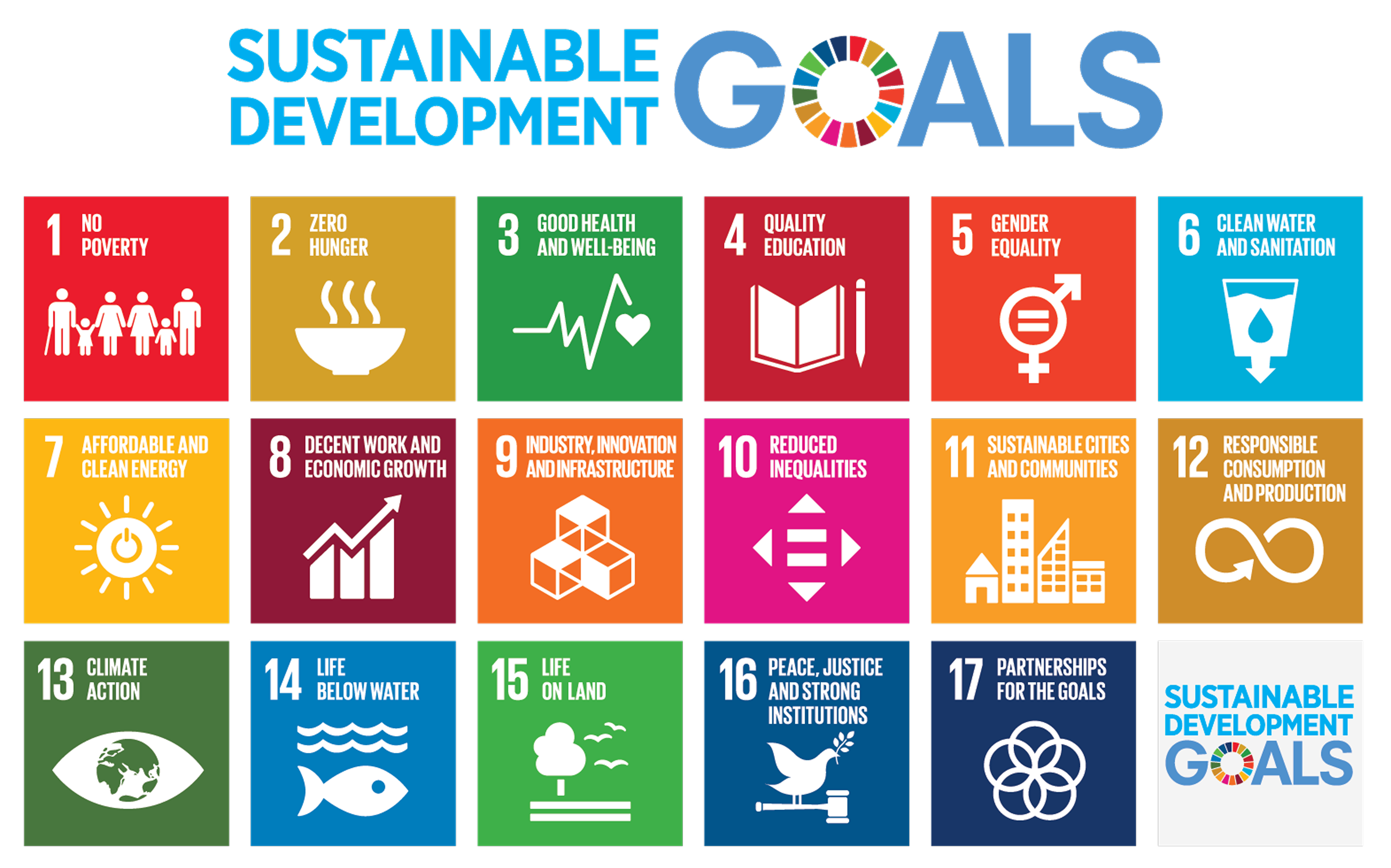
The Sustainable Development Goals (SDGs)
Cumulus Green 2026 is aligned with the United Nations Sustainable Development Goals (SDGs)
A shared blueprint for peace and prosperity for people and the planet, now and into the future.
The 17 SDGs are broad based and interdependent goals to be achieved by 2030. The SDGs redefine how the global community can work together to tackle poverty and improve living standards, while protecting the environment.
Cumulus Green &
The Kyoto Design Declaration
Cumulus Green 2026 competition builds on the enduring legacy of the Kyoto Design Declaration, a shared statement of commitment to building sustainable, human-centered and creative societies ratified by all Cumulus members in March 2008 in Kyoto Japan.
Cumulus Green was conceived as a tool to address its message in various ways. At its upmost, it acts as a student design competition since 2009 that promoting the vision of Kyoto Design Declaration.
In 2020, Cumulus relaunched Cumulus Green: For a New Circular Economy as a biennial student competition that always aligns with one of the SDGs. The edition of 2022 Nurturing the Planet continued to embody the spirit of global citizenship of Cumulus members, highlighting the talent, creativity and diversity of all Cumulus students.
Design in the face of emergency: Cumulus launches a global declaration for a regenerative future
On 4 June 2025 in Nantes, France, Cumulus announced the Cumulus Design Declaration marking a pivotal evolution from the Kyoto Declaration of 2008. In a context of geopolitical instability, resource depletion and widening social inequalities, the signatories affirmed that design can no longer be confined to functional or aesthetic innovation: it must now be a vehicle for justice, peace and resilience.
In a world shaken by economic turbulence, technological acceleration and climate emergencies, design is positioning itself as a lever for social, ecological and cultural transformation. This is the central message of the Cumulus Design Declaration 2025, an international manifesto calling for a profound rethinking of design practices towards a regenerative, inclusive and planet-centred approach.